

Why Big-Picture Thinking Fails Exactly When We Need It?
A few years back, I identified an interesting paradox when it came to planning and uncertainty.
A few years back, I identified an interesting paradox when it came to planning and uncertainty.
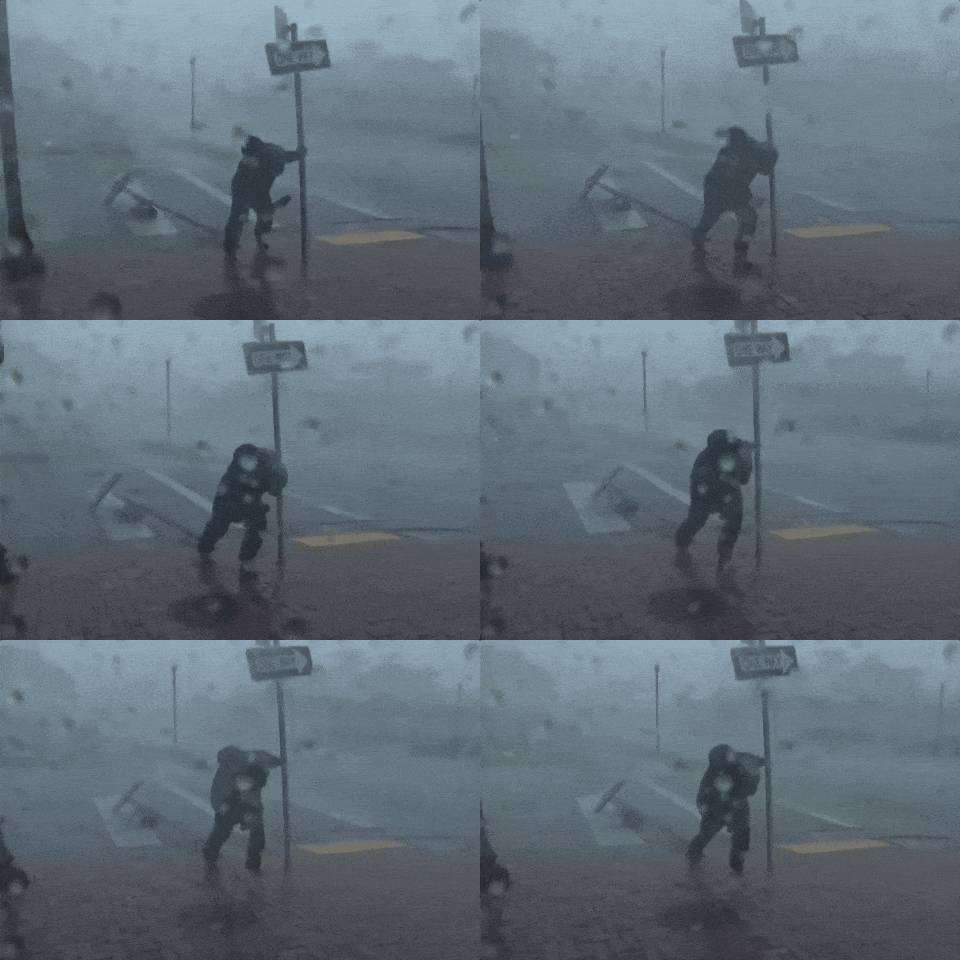
The negative impacts of uncertainty on organisational performance are well documented — but they’re only half the story.
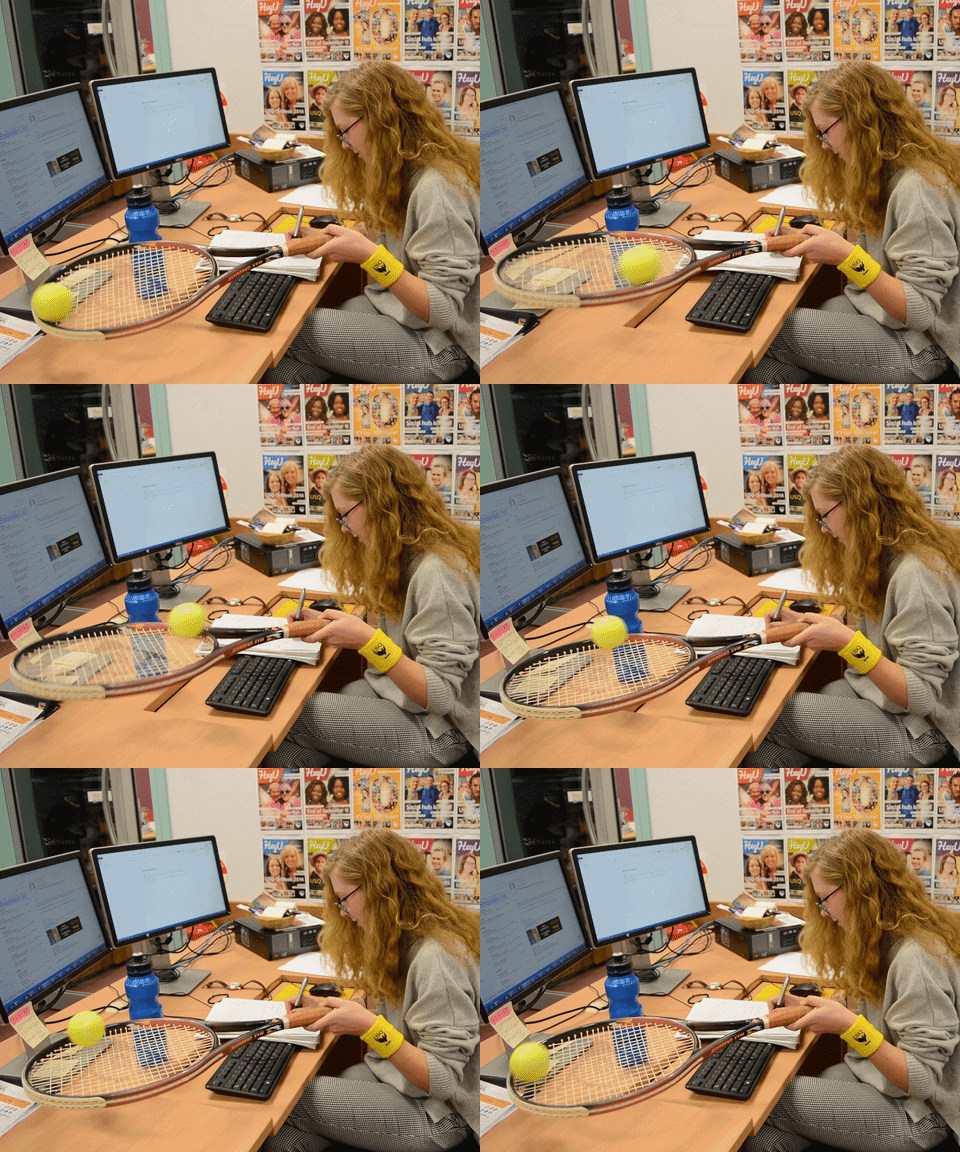
In 2021 I wrote a series of scenarios looking at the long-term impact of Covid on how and where people will be working from in 2025.
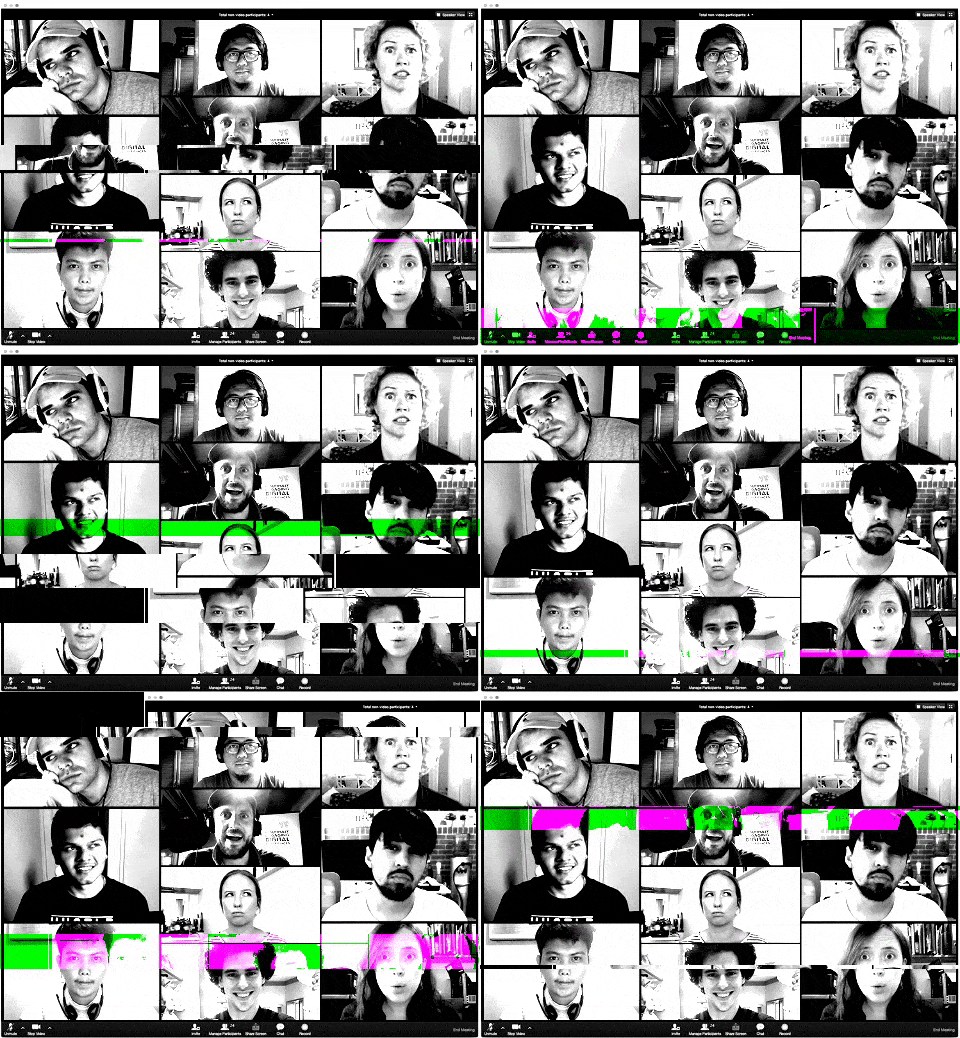
In late-2021, I wrote a series of scenarios to explore how remote and hybrid work might evolve through to 2025.
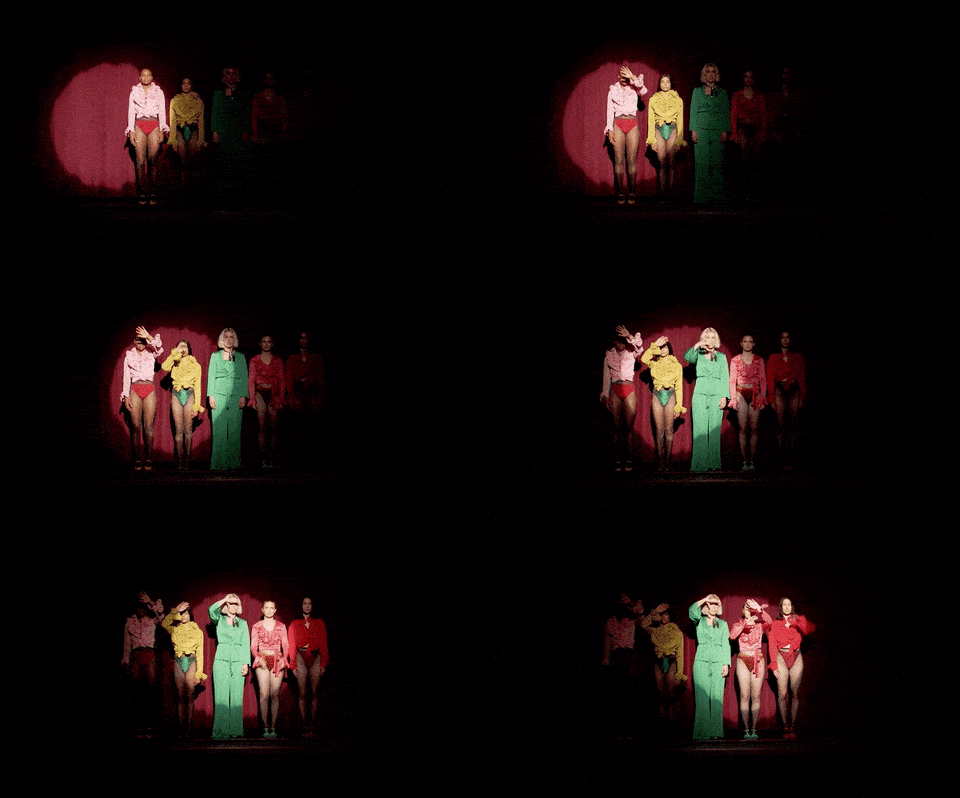
This edition was sparked by our latest Future With Friends podcast episode with the incredible Megan Davis, where we explored ‘The Future of Acting’.

This week’s Simon Sees is inspired by our latest Future With Friends episode, “The Future of The Past”, with the ever-thoughtful Mykel Dixon — a rich conversation on ancient wisdom, creative expression, and reconnecting with the childlike intuition we often lose.
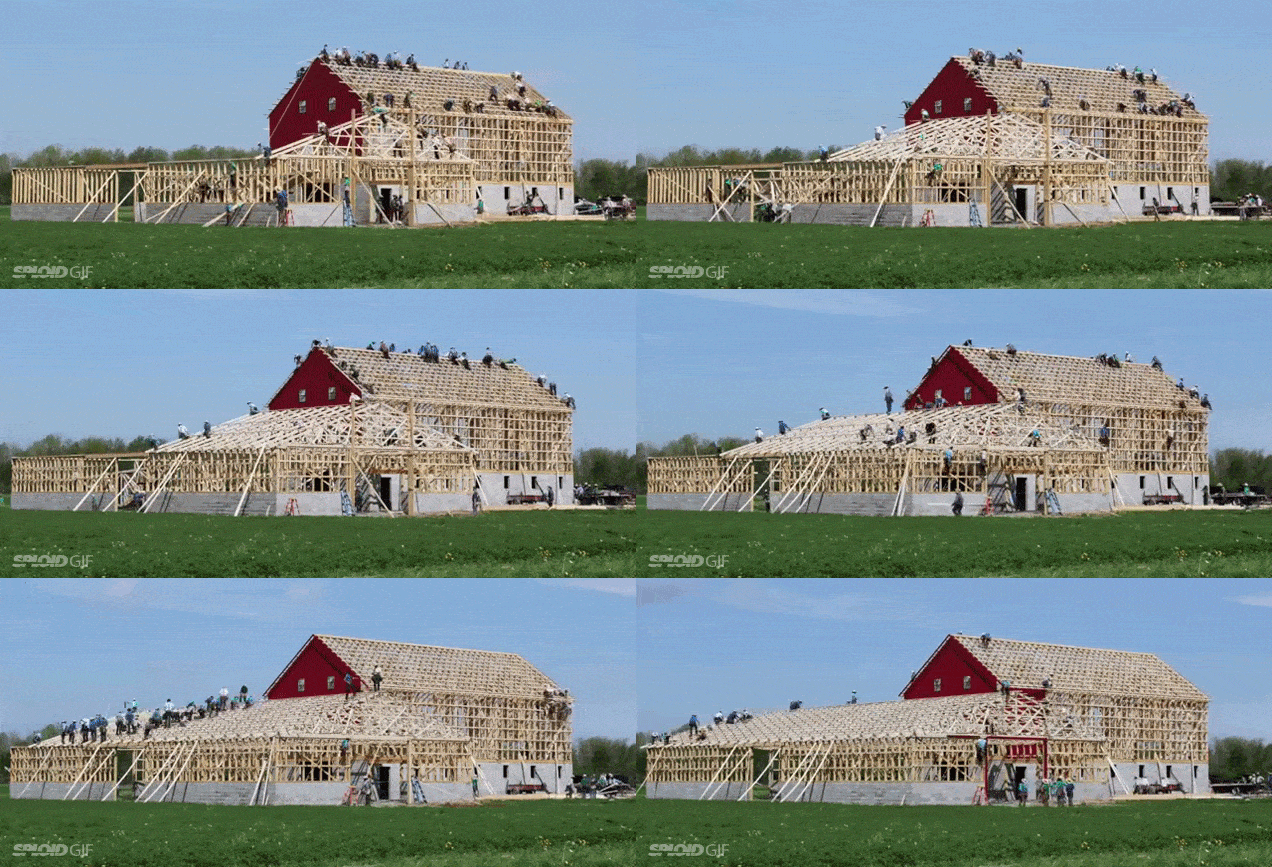
Inspired by our recent Future With Friends conversation with Col Fink, this week we’re diving into the future of how we’ll live – physically, socially, and communally.

Although not technically part of the collaborative decision making framework, individual perception and the ability to see the bigger picture is still instrumental to good decision making.

We should always take frameworks and models with a healthy amount of skepticism.
Over the last few weeks, we’ve been diving into the various layers of my strategic planning pyramid.
